East York, Ontario – 2024
This article will analyze and recount a case of a raccoon living under a deck in East York, Toronto. Raccoons do not just live in attics; they access decks and under sheds and will use any location that they can get into as a den. The same goes for squirrels, bats, and even skunks. While skunks are prone to burrowing and most frequently occupy decks and sheds, all wildlife that occupies urban areas will find whatever they can to be shielded from the elements.
This visit is located in East York.
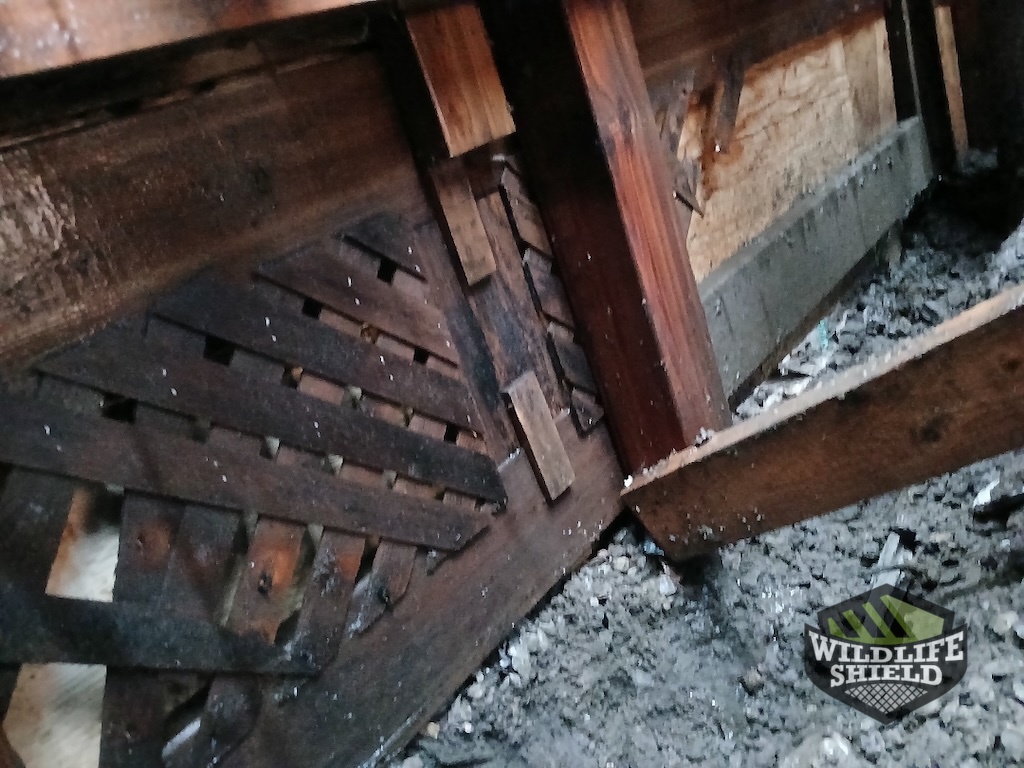
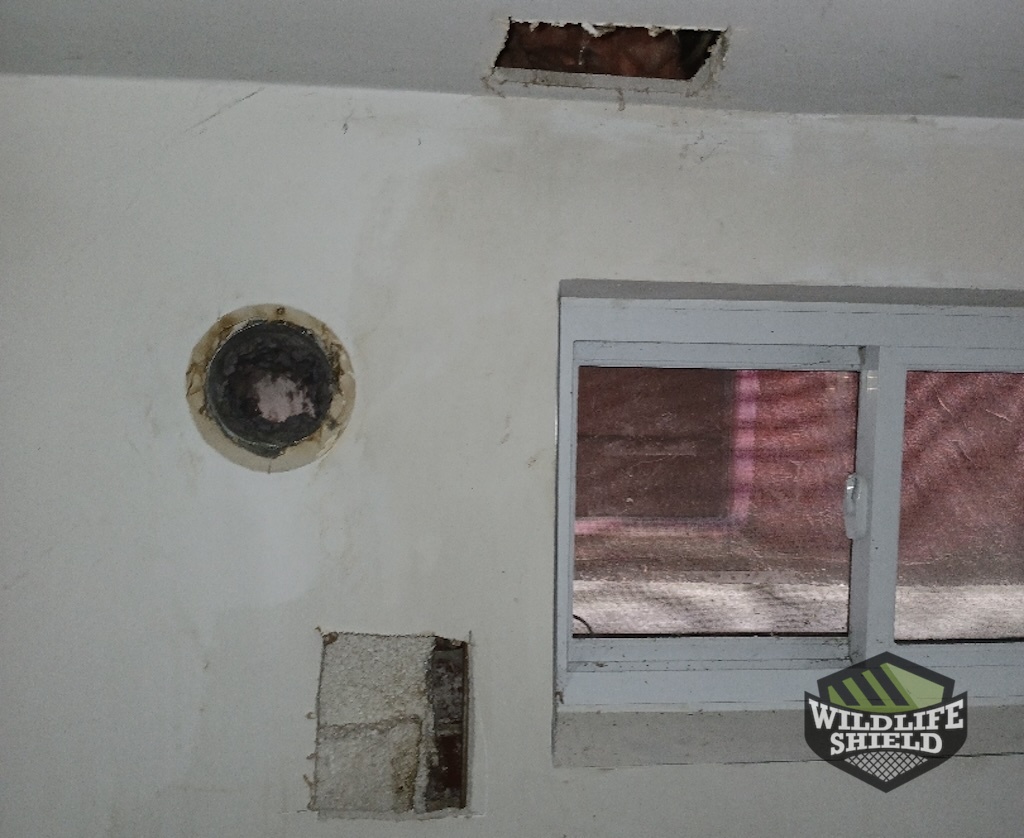
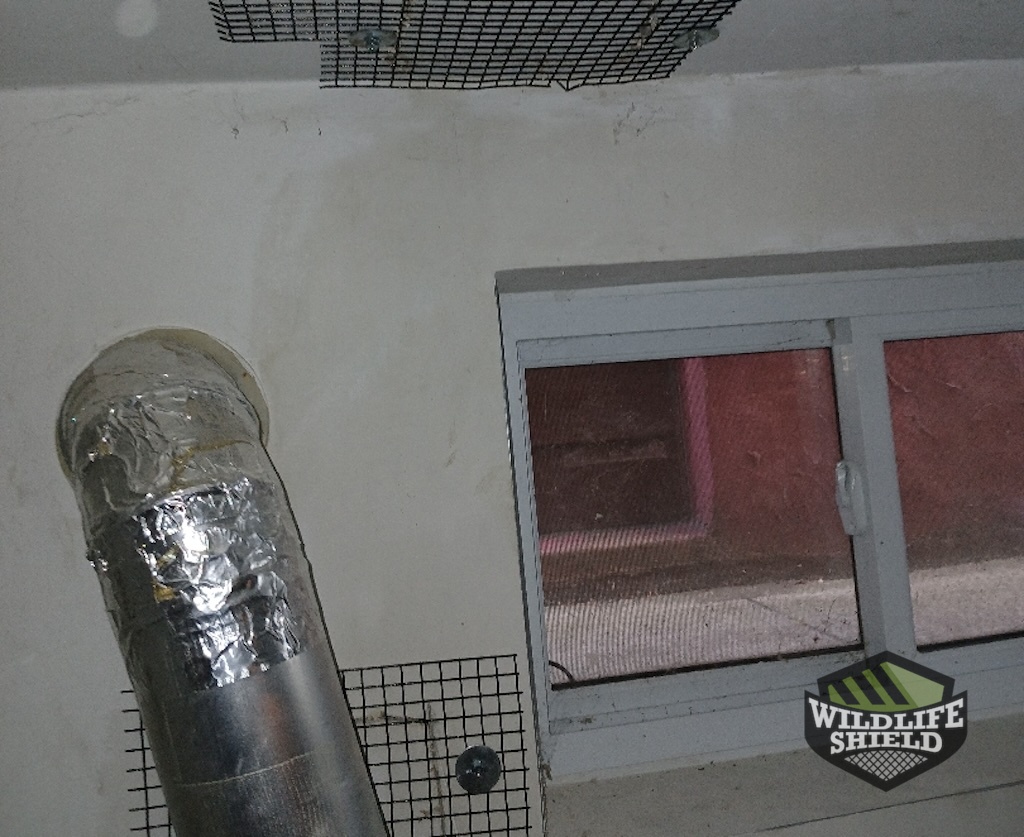
The technicians, before the work is done, must first inspect and confer with the customer or customers on the issue and then must inspect for the source of the activity. While the deck was the initial entryway, the actual area the raccoons were inhabiting was the basement itself. Babies were found in a crate, and the mother was using a hole in the wall from a dryer vent that was improperly installed to enter the basement itself. The result was needing to exclude both the deck itself as well as the basement entryway to prevent access to the basement as well. Raccoons especially are very likely to enter homes. Not just attics but crawlspaces, basements, and even inside of walls. Often times, they find themselves in a location they may even get stuck in, which is why we must often remove dead raccoons from behind drywall.
East York, Ontario: Title of city
East York is a district of Toronto and was once its own municipality. From the year 1967 to 1998, it was known as a Borough. The area consists of the larger city of Lesliville and the smaller town that makes up the Beaches. While they are all part of East York they are very different areas. The area is defined by the natural divide created by the Don River Valley which clearly divides it from Old Toronto. East York is considered a trendy place to live as the Danforth, containing hundreds of restaurants and shops like the Carrot Commons is well known among the citizens of Ontario and draws a crowd during The Taste of the Danforth yearly event.
Exterior Inspection
When the technician arrived on site, they performed an exterior inspection of the property and found activity under the deck, including signs of burrowing. This is a common situation where animals will go to great lengths to find homes that can protect them from wind, rain, and heat from the sun. However, they also tend to cause damage and can be dangerous to pets, small children, and even scare adults. This is why it is important to protect your property from animals getting into your home. While there is very little that can be done about animals coming onto your property aside from starting a trapping program to relocate them, there is a lot you can do to keep them out from under your deck, shed, and out of your attic. The process involved in this type of work is called exclusion. The sealing of common and known entry ways animals use to enter attics, sheds, garages, and under decks. This is also how we remove animals that have gotten into any of these places.
Initial Measures
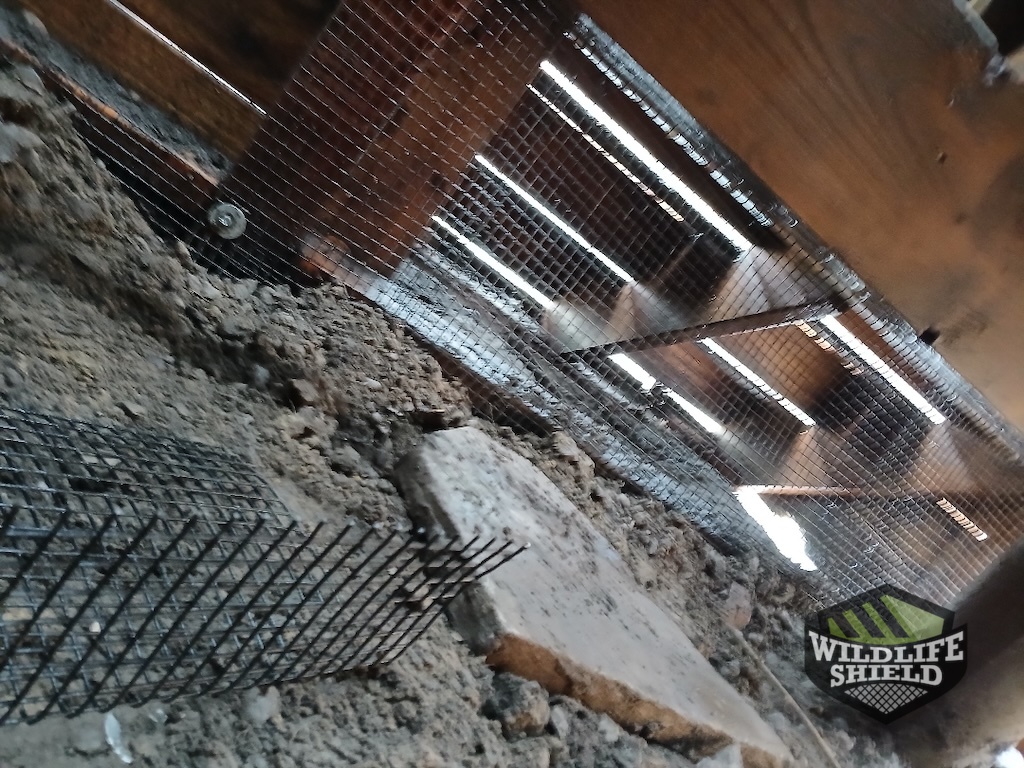
The first step was to find the main entryway the animal used to get in. This is often a burrow or clear access point the animal used to get under the deck. Decks with skirting will have a sign of a burrow, while open decks can allow an animal to simply walk straight in. Either way, the animal will penetrate the deck if they want to live there. The process for getting them out is simple enough, but also time-consuming and costly; however, it is extremely worth it. The technician must seal off all possible entry ways into the deck an animal can use to enter it. This often involves a process called trenching. The technician will dig a one-foot-by-six-inch trench around the accessible area of the deck, areas that are not connected to the walls of the house, and then attach galvanized steel mesh to the side of the deck and bury it down one foot down and six inches out. This prevents animals from accessing the deck. A one-way door is installed to allow the current occupant to vacate humanely. Once they do, they will see their den is gone and will generally leave the property.
Proposed exclusion
The technician sealed off the deck and installed the one-way door. With nowhere else to go, the raccoon vacated the property to find a new den. The process seems extreme and may be unusual, but the value added is priceless. Once the deck is trenched, no animal, no skunk, gopher, raccoon, or even squirrel can get under your deck in the future. Permanently sealing it off from all animal access. Rodents can be excluded as well, which would require a finer gauge mesh that will stop them from burrowing under the deck as well. In this case, the technician did not need a one-way door as the raccoons vacated while he was doing the work.
Conclusion
The technician excluded the area, got the raccoon and her babies out by hand with no assistance from a one-way door. The job was completed successfully, and no further incursions have occurred since. The customers are pleased with the work and happy that their deck is now protected from wildlife ingress.
Contact us at Raccoon Control
See more of our work at the following links:
Raccoon Deck Exclusion Involving Baby Raccoon and Adult Raccoon in Old Toronto